
Run as one institution, not a collection of systems.
The Higher Education Blueprint does not ask Malaysian institutions to do more. It asks them to operate differently: benchmarked globally, assured continuously, and answerable for employability as a national outcome. Creatrix Campus is the Academic Operating System underneath that, where OBE attainment, accreditation evidence, scheduling and Malaysia-native finance run as one operation. Backed by a Cyberjaya office and Malaysia / Singapore data residency.
The Blueprint era
The Blueprint does not ask you to do more. It asks you to operate differently.
Four shifts are changing what a Malaysian institution is measured on. None of them can be answered by adding another report, because each one asks for something continuous rather than something submitted.
On the ground
A Malaysian presence, not a remote vendor.
A Cyberjaya office with a Malaysian team, universities live in Peninsular Malaysia and Sarawak, and data resident in Malaysia or Singapore.
References across Malaysia and ASEAN
 Wawasan Open UniversityPenang · Malaysia
 i-CATS University CollegeKuching, Sarawak · Malaysia
 Kuala Lumpur University of Science & TechnologyKajang · Malaysia · formerly IUKL
 National University of SingaporeASEAN reference
Public and private institutions in Malaysia, plus an ASEAN reference beyond it.
The category map
Every system on a Malaysian campus owns something. None of them owns the operation.
An honest reading of the Malaysian stack: what each kind of system genuinely owns, and the exact point where its ownership ends.
Read one row at a time, every choice here is defensible. Read together, they describe one condition: every system is reading an academic record that none of them owns. That record, and the operation running on top of it, is the part nobody in this market is selling.
The Malaysian context
The regulators your operation actually answers to.
Tap any framework to see what it asks for, and how Creatrix answers it as part of daily operations, not a separate compliance project.
Framework
,
,
How Creatrix answers it
Where Malaysian HEIs lose time today
The workflows that are still paper, Excel, or nobody's software.
From a study of the top 50 Malaysian institutions: most academic workflows have no commercial system at all. Select a workflow to see the pattern, and what changes when it runs on one model.
Of seven core academic workflows in Malaysian HEIs, only one runs on purpose-built software today. The rest are paper, spreadsheets, or unaddressed.
,
,
,
On one model
,
What running as one institution requires
Three claims, and what each one actually requires.
These are the three things that separate an institution reading reports from one running an operation. Each is straightforward to demonstrate, and each depends on the record underneath rather than on a dashboard above it.
Attainment, live. Mid-term, not after the fact.
The windshield. You see the problem while the cohort is still in the room.Requires: assessment mapped to CLO and PLO, computed from real marks
The signal becomes an action.
Data to decision to next cohort. Quality culture, not compliance culture.Requires: an owner, a due date, and a recorded outcome
The evidence is already there.
A live, dated, version-tracked file. Not a PDF assembled the week before.Requires: artefacts labelled to the standard as work happens
Evidence by design
CO-PO attainment, today's Excel, becomes tomorrow's MQA evidence.
Twenty years of OBE in Malaysia still runs on spreadsheets. Connecting the OBE-to-accreditation pipeline removes the most manual workflow in the sector.
Daily academic work
Faculty grade assessments, run clinical rotations and record attendance in the normal flow.
Outcomes attained
Every grade maps to CLO-PLO attainment automatically, thresholds, radar, per-question.
Evidence tagged
Attainment, CQI and artefacts tag to MQA criteria the moment work happens.
Self-review ready
Your SER assembles continuously. Readiness is visible before the panel arrives.
Why it matters in Malaysia: the OBE-to-accreditation pipeline is both the most fragmented and the most manual workflow across Malaysian HEIs, and the highest-value one to connect.
See it in the product
One mark entered. Five screens change.
A single operation, followed from the lecturer’s grade entry through to the readiness score a QA director reads before an MQA visit. Hover a marker to see what the screen is doing. The sequence loops, and you can take it over at any point.
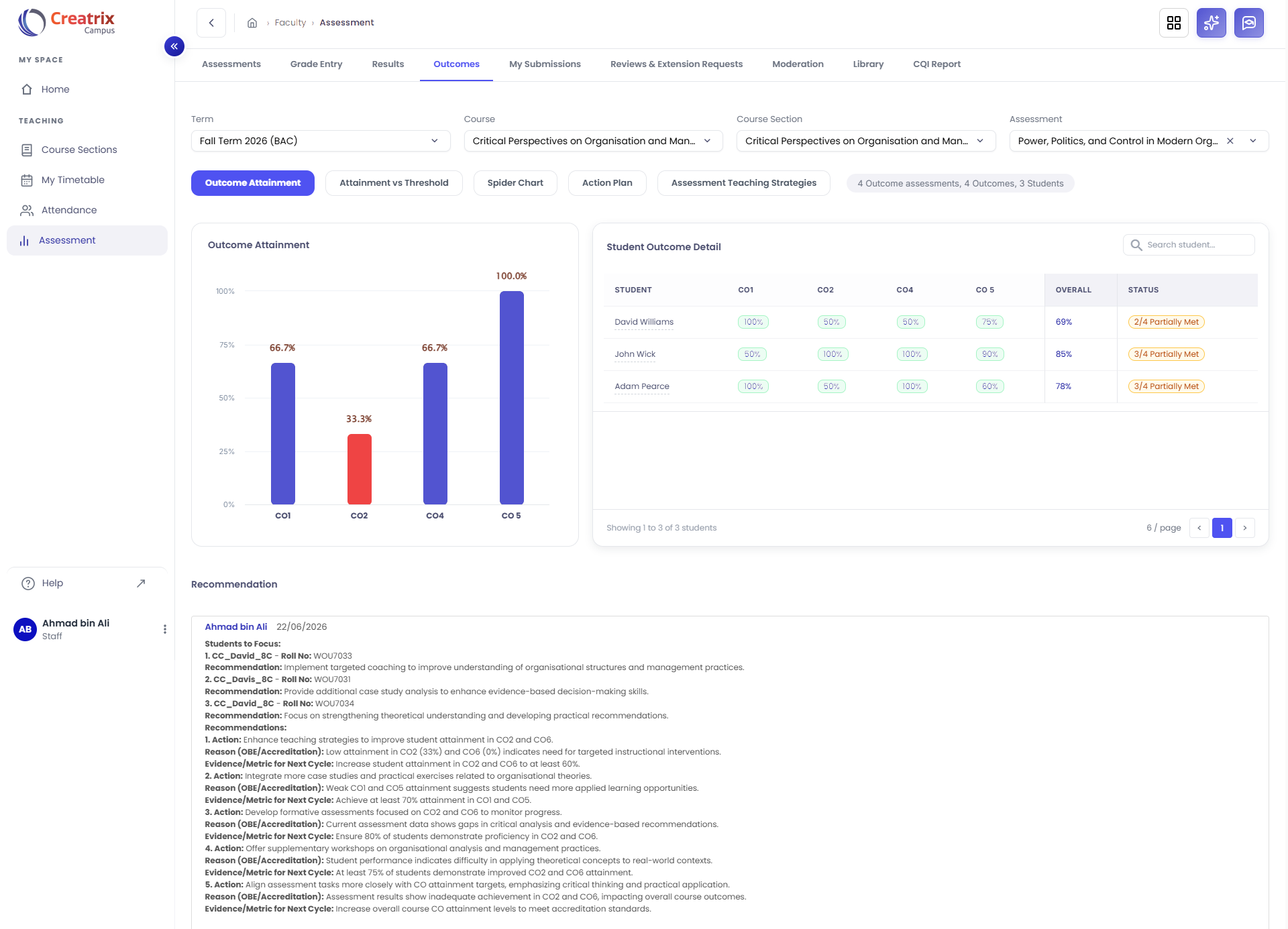 CO2 sits at 33 percent, below the threshold, flagged the moment marks are entered.
Attainment per student, per outcome, so the conversation is about a person rather than an average.
The CQI action is written against the outcome that missed, and becomes accreditation evidence.
CO2 sits at 33 percent, below the threshold, flagged the moment marks are entered.
Attainment per student, per outcome, so the conversation is about a person rather than an average.
The CQI action is written against the outcome that missed, and becomes accreditation evidence.
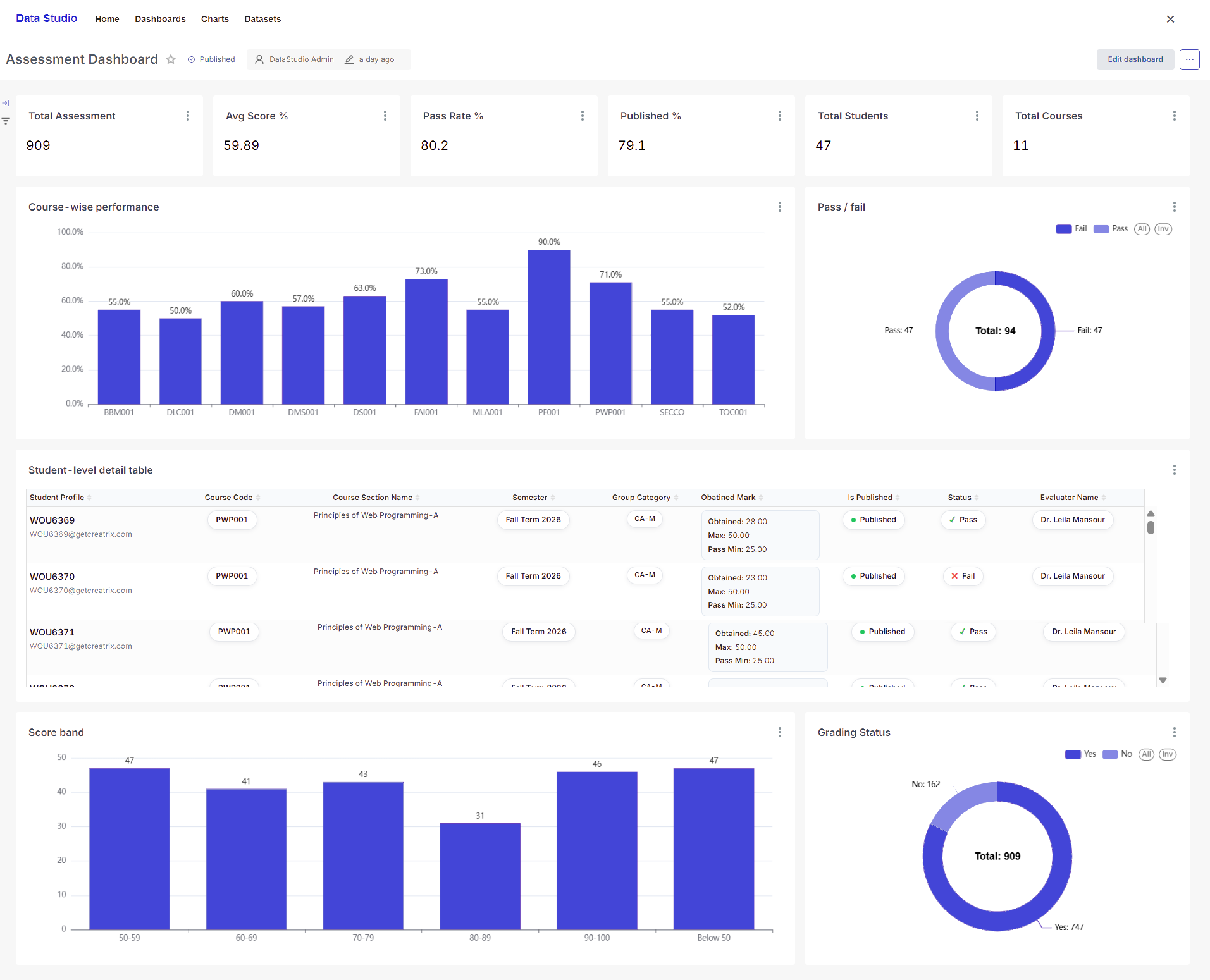 Pass rate, average score and publication state across every assessment in the term.
Performance course by course, so a weak cohort is visible before a term closes.
Student level marks with the evaluator named, so moderation has something to work from.
Pass rate, average score and publication state across every assessment in the term.
Performance course by course, so a weak cohort is visible before a term closes.
Student level marks with the evaluator named, so moderation has something to work from.
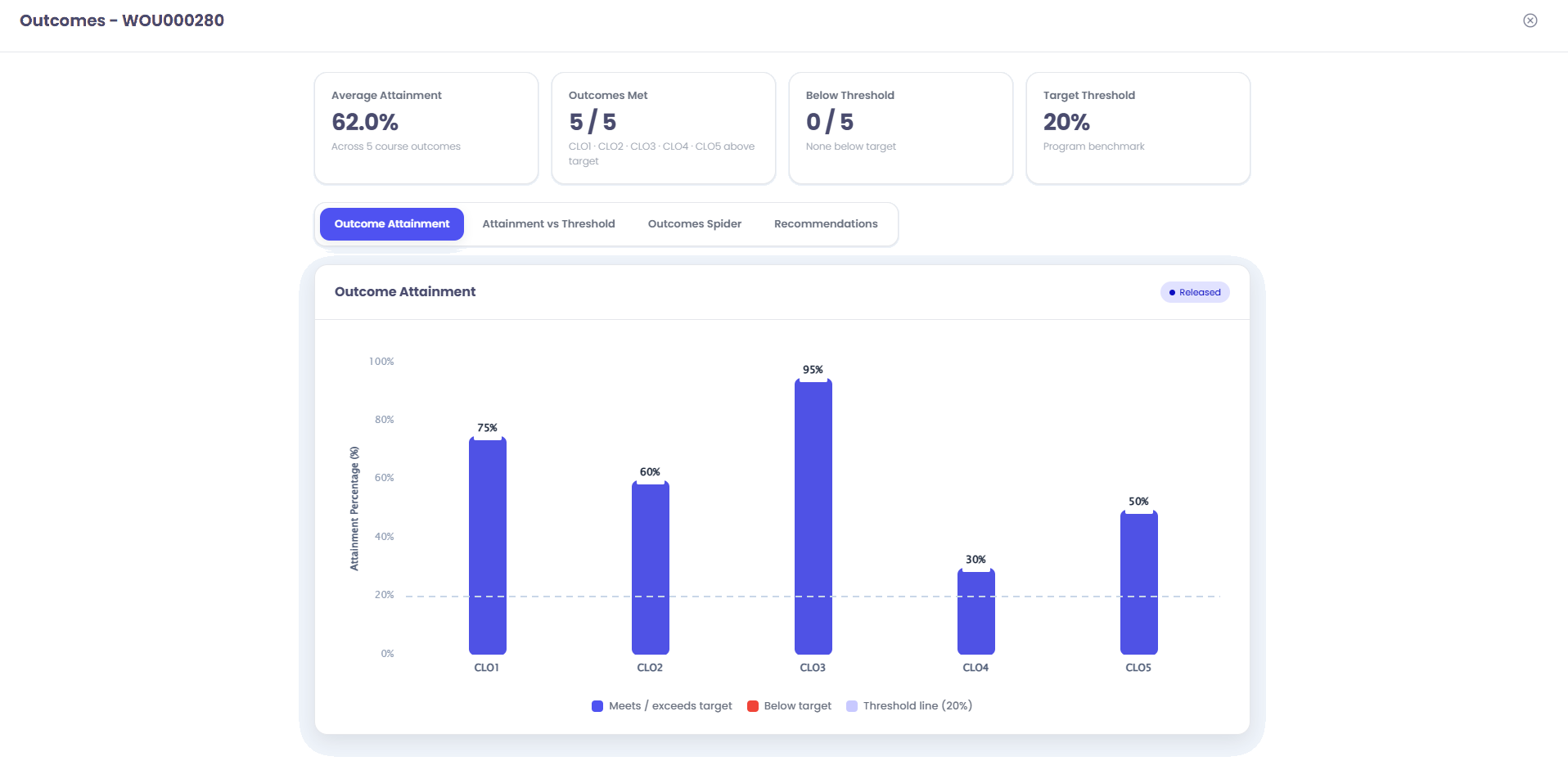 Five of five outcomes met, shown to the student rather than kept in a coordinator’s file.
Each CLO against the programme threshold, the same number the accreditation panel will read.
Five of five outcomes met, shown to the student rather than kept in a coordinator’s file.
Each CLO against the programme threshold, the same number the accreditation panel will read.
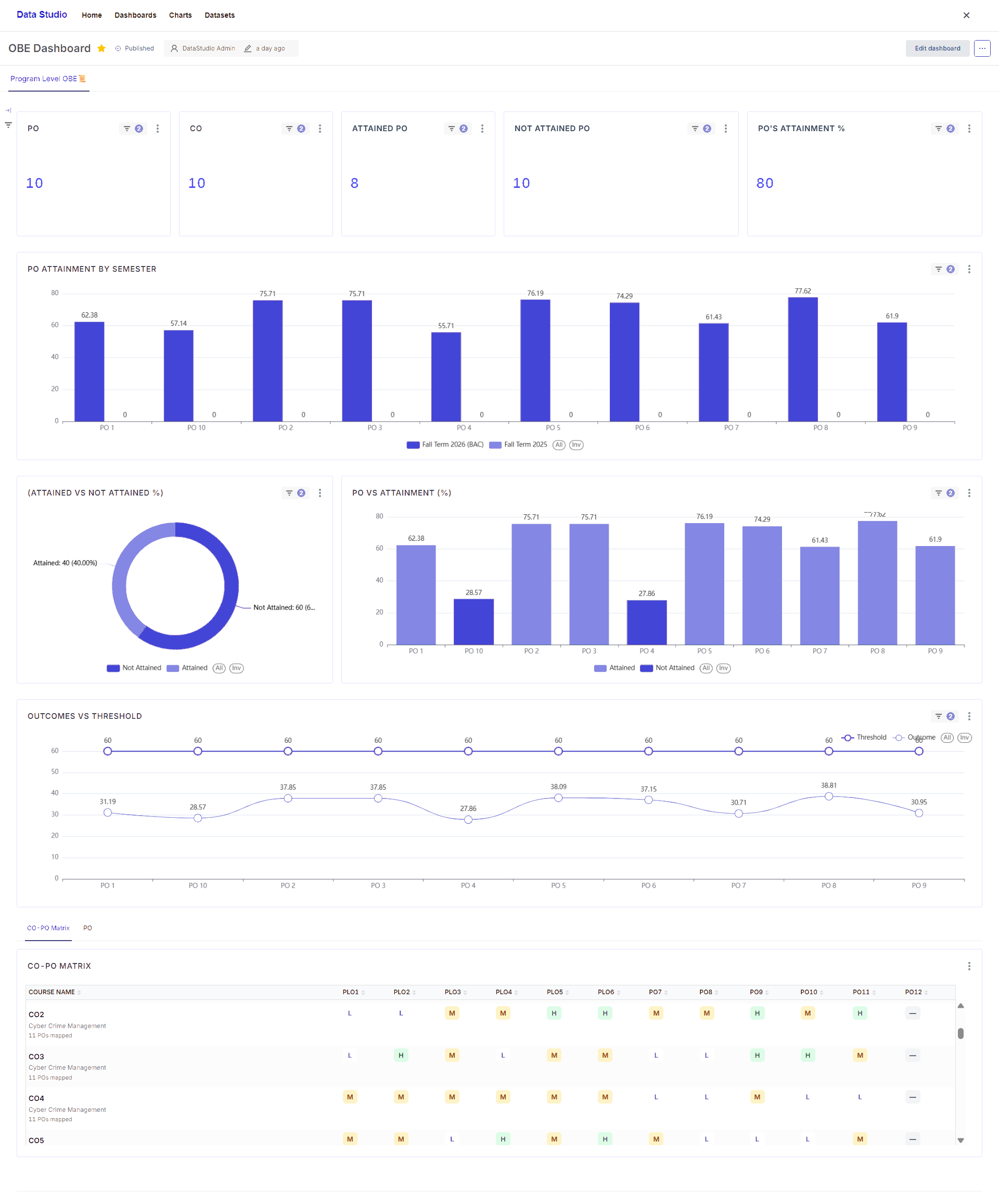 Programme outcome attainment by semester, computed from the marks, not re-keyed from them.
Eight of ten programme outcomes attained, the number a programme committee argues over each cycle.
Every PO against its threshold, generated from the curriculum rather than typed into a template.
Programme outcome attainment by semester, computed from the marks, not re-keyed from them.
Eight of ten programme outcomes attained, the number a programme committee argues over each cycle.
Every PO against its threshold, generated from the curriculum rather than typed into a template.
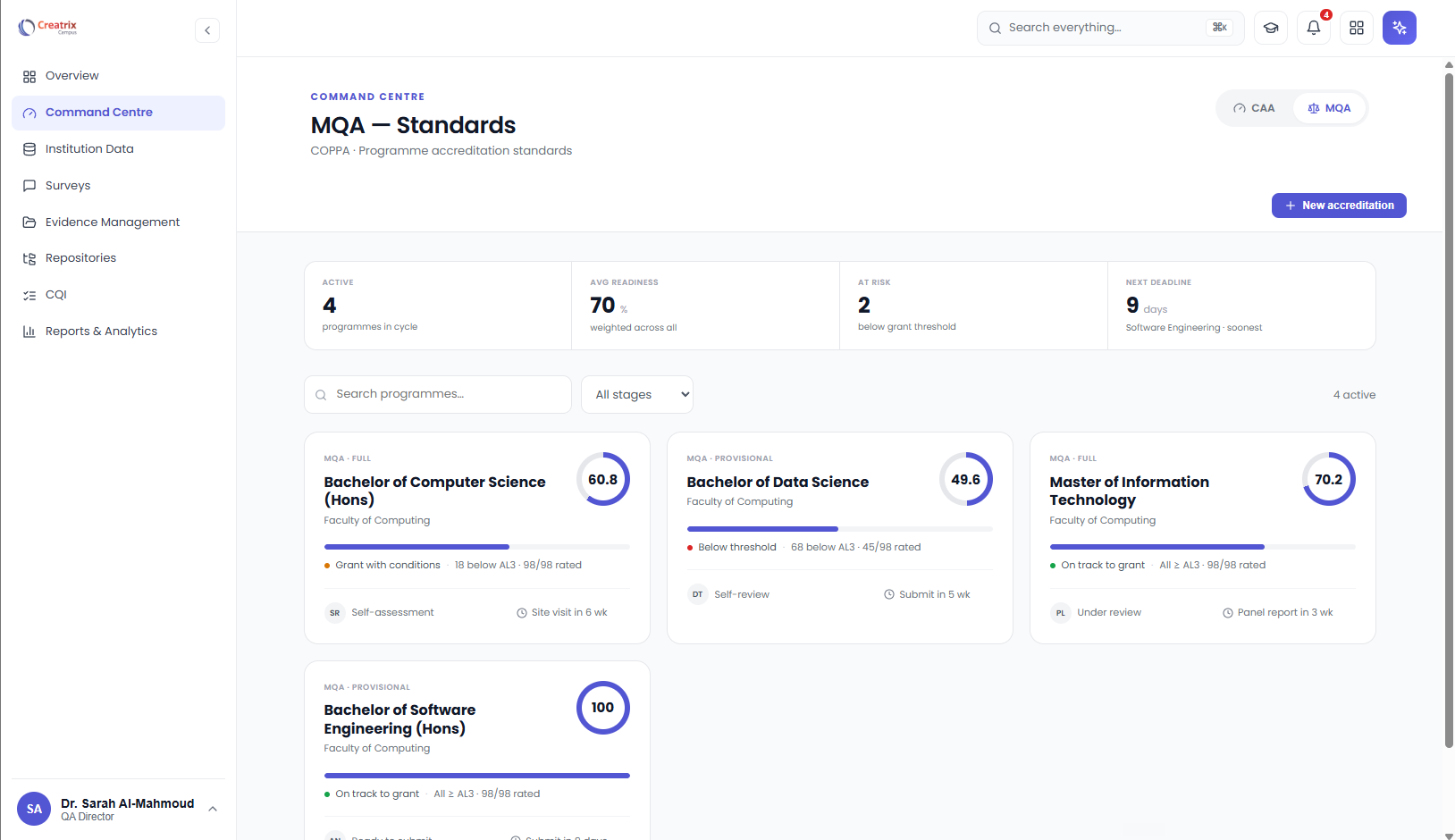 Same programmes, different framework. The rulebook is configuration, which is how one model carries MQA here and another regulator elsewhere.
Average readiness, programmes below threshold and the next deadline, before anyone assembles a folder.
Readiness scored per programme, with criteria rated and the stage it has reached.
Same programmes, different framework. The rulebook is configuration, which is how one model carries MQA here and another regulator elsewhere.
Average readiness, programmes below threshold and the next deadline, before anyone assembles a folder.
Readiness scored per programme, with criteria rated and the stage it has reached.
Faculty assessment outcomes: attainment per CO, with the CQI action attached.01 / 05
Screens from the running product. The data shown is a demonstration tenant, not a customer’s.
Book a tailored proof sessionConnect, don't replace
Sits above the systems you already run.
Malaysian public universities run deep in-house systems: MyUTM, i-Student, PutraENROLL. Branch campuses run a global parent SIS. Creatrix is the operating layer above them, connected API-first through Creatrix Connect, no rip-and-replace.
Proof from peers, not a pitch about the future.
Prep always starts too late and takes too long, the systems holding our evidence don't talk to each other.
In the room
Our work in Malaysia, in person.
Signings, forums and launches with Malaysian institutions and the wider ASEAN higher-education community.
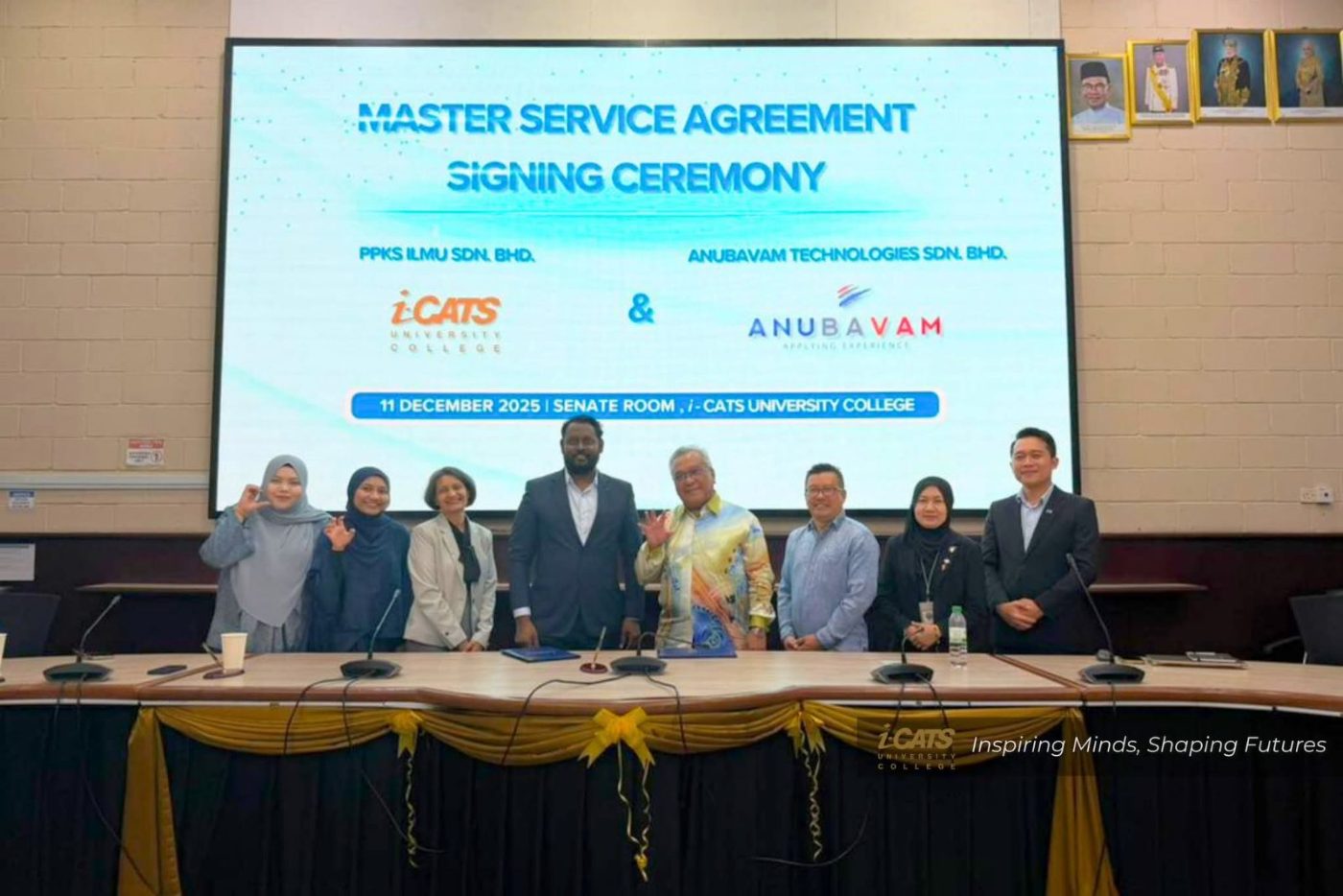 i-CATS University College signingMaster Service Agreement, Senate Room, Kuching, December 2025
 MQA Presidents' Forum 2026Strategic partner, Kuala Lumpur
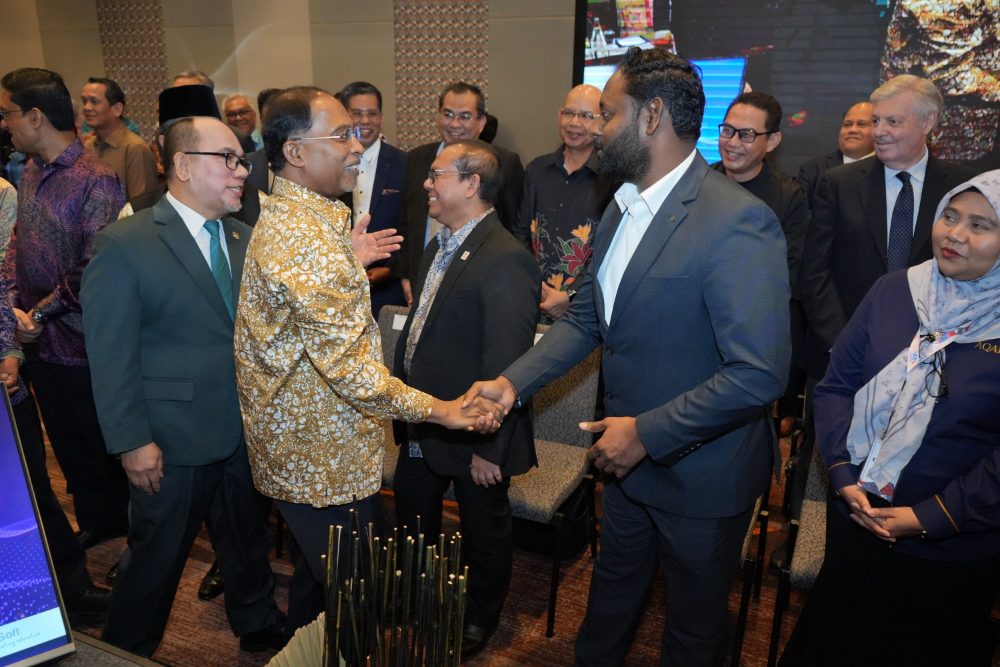 Presidents' Forum dialogueWith the Ministry of Higher Education
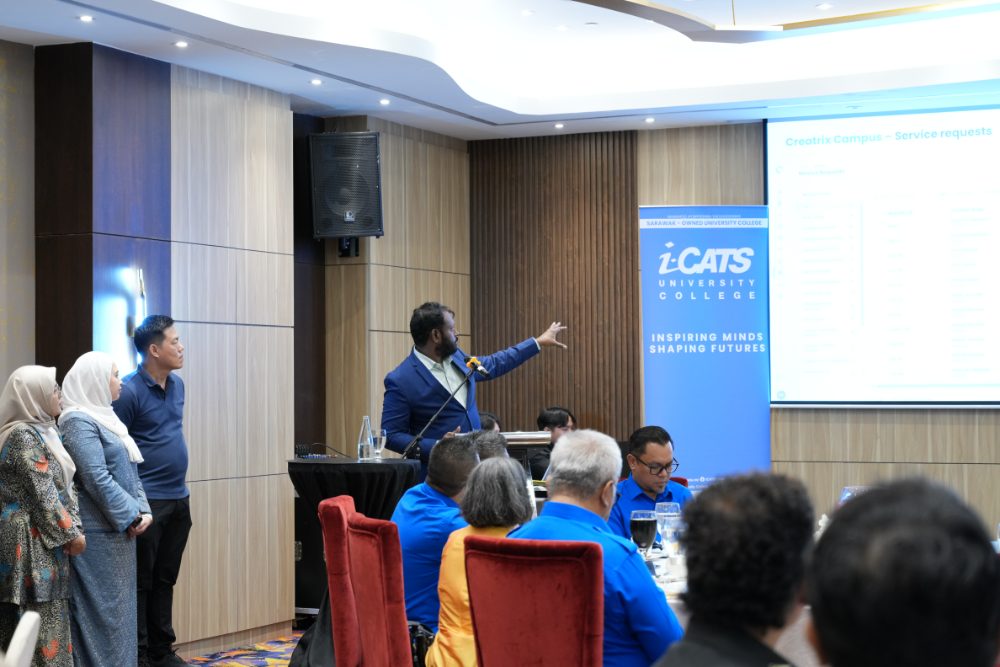 Walking through the systemService requests, live on stage
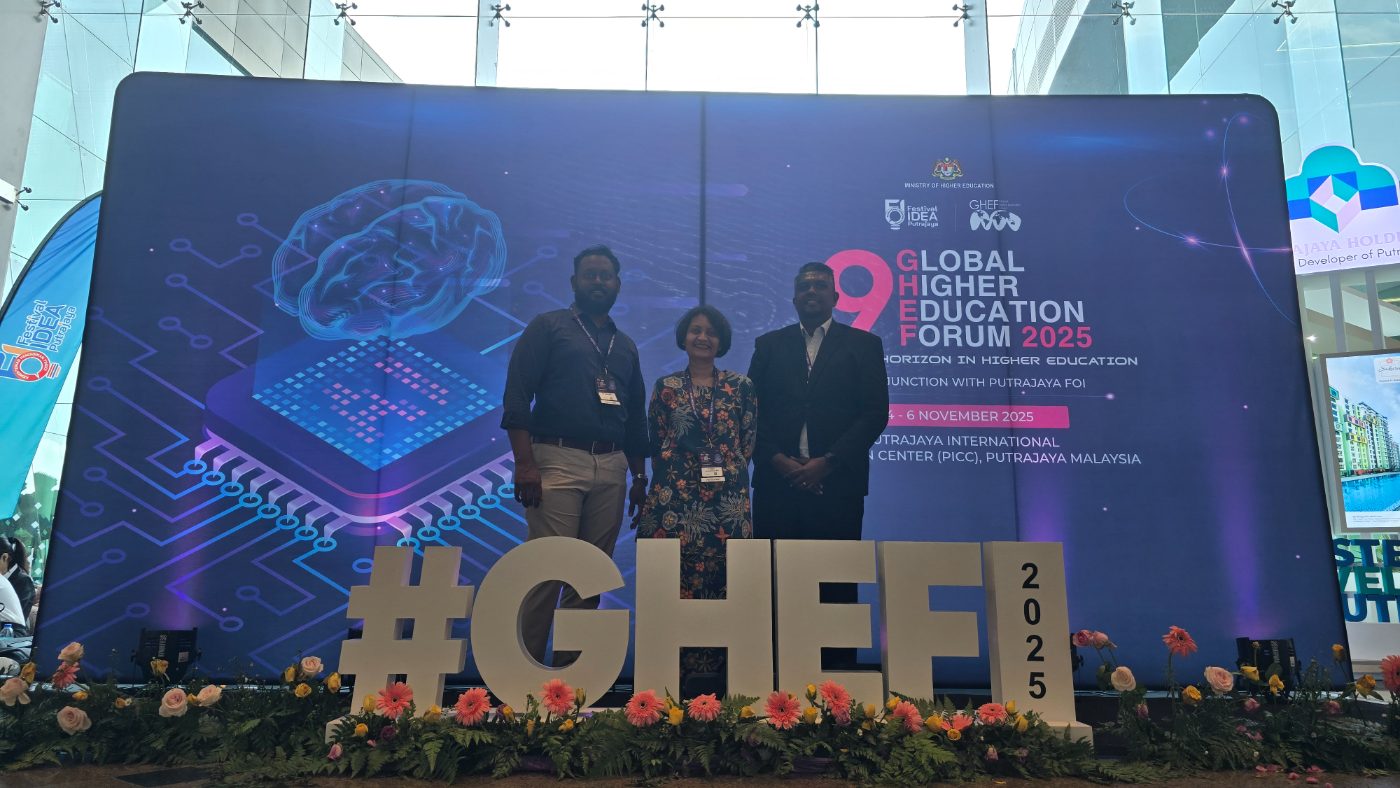 GHEF 2025, Putrajaya9th Global Higher Education Forum, PICC
Portfolios versus an operating system
Buying more products is not the same as running one operation.
Malaysian institutions are rarely short of software. What recurs is the shape of the purchase, and five patterns cover almost every campus we walk into.
When a lecturer enters a mark, does your MQA evidence change?
On a portfolio the answer is no: something has to be exported, mapped and uploaded, usually by a coordinator whose job that quietly becomes. On one record the answer is yes, because CLO attainment, curriculum mapping and criterion tagging are the same object seen from three angles.
That is the whole difference between owning many products and running one operating system.
We are not asking you to replace the systems your registry trusts. Institutions here run deep in-house platforms and a parent SIS at branch campuses, and Creatrix sits above them: the record, the workflow and the evidence, reading from what you already run.
MQA programme standards, IQAF criteria and evidence types are configuration rather than custom development, which is why the same model carries a different national framework in Singapore, the UAE, India and the UK. In Malaysia you do not have to take that on trust: ask for a session with an institution already live here.
Malaysia FAQ
Questions Malaysian institutions ask.
Is Creatrix Campus built for MQA requirements?
Yes. Creatrix runs OBE with CLO-PLO mapping, programme standards and self-review evidence aligned to MQA, and we publish first on IQAF 2025 (which replaces COPIA 2009). The accreditation evidence is emitted from the same operations your faculty already run, rather than rebuilt by hand before each visit.
Do we have to replace our existing SIS or in-house systems?
No. Creatrix coexists with your parent SIS, in-house student systems and LMS, Canvas, Moodle, Anthology. It is the academic operating layer above them: connect, don't replace. This matters for foreign branch campuses on a global parent SIS, and for public universities with deep in-house systems.
Where is our data stored, and is it PDPA compliant?
Creatrix offers Malaysia and Singapore cloud residency and complies with PDPA 2010, ISO/IEC 27001:2022, ISO 27701:2019 and GDPR. For government institutions that require it, sovereign or on-premise options are available.
Does Creatrix handle EMGS, LHDN e-invoicing, SST and PTPTN?
Yes. We run MQA + EMGS dual-regulatory operations, Malaysia e-invoicing (LHDN), SST and PTPTN integration as part of the student finance lifecycle, configured for the Malaysian context, not retrofitted from a global product.
Do you have customers and a team in Malaysia?
Yes. Creatrix has Malaysian universities live today, a Cyberjaya based team and a local implementation partner, alongside universities across the UAE, Malaysia, India and Singapore.
What about clinical and competency-based medical education (CBME)?
For health-science faculties under MQA clinical-competency requirements, Creatrix tracks EPAs, OSCE/OSPE, rotations and e-portfolios, and emits accreditation evidence from those same clinical operations, an integrated alternative to standalone e-portfolio or generic LMS tools.
GET STARTED
Decide how you want to operate next.
Talk to our Malaysia team about a proof session mapped to your own programmes, your IQAF readiness and your next accreditation cycle.
Cyberjaya · GMT+8 · Bahasa Malaysia & English