
Driving Digital Transformation for Institutional Effectiveness and University Performance.
Regulators now want evidence of outcomes, not intentions. Five UAE university leaders asked whether data, AI and industry partnerships are genuinely changing how institutions perform, or just adding another layer.
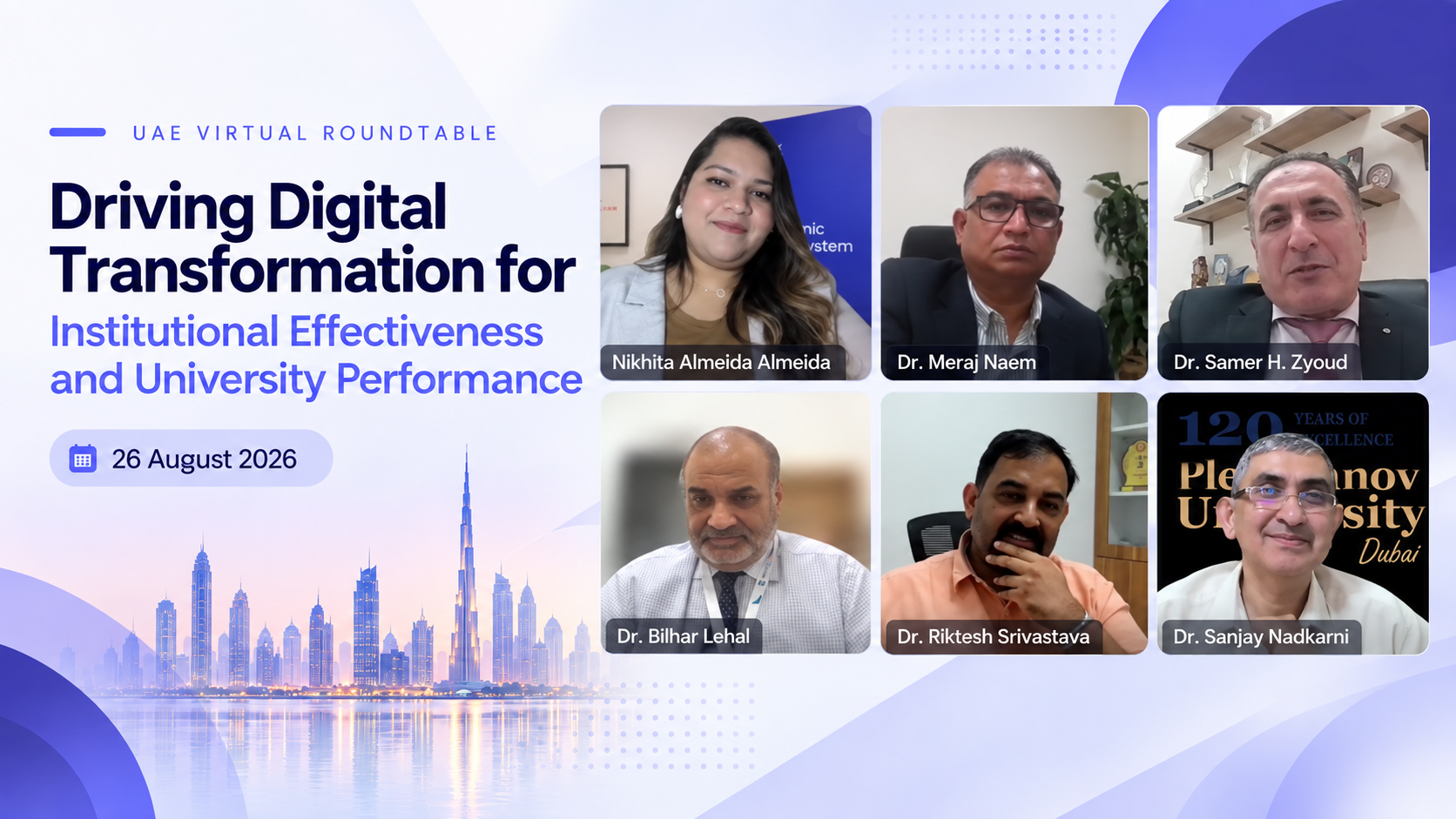
The panel in session, 26 August 2026.
Universities have the dashboards. What they still lack is the root cause, the corrective action and the clean data underneath.
Institutional effectiveness used to be something prepared ahead of an accreditation visit. It is becoming the operating logic of a well-run university: how decisions are made, what data they rest on and how performance is measured. This roundtable asked whether the technology institutions are adopting genuinely helps that, or simply adds complexity on top of the data.
Across ninety minutes, the panel was candid. Data exists in systems but rarely changes decisions, AI is most useful as a facilitator rather than an end, and industry partnerships only count when industry helps design, deliver and assess the curriculum. What was said here feeds into the Creatrix UAE Higher Education Insights report.
On the panel
Five leaders from five UAE universities.
Between them: university founding and compliance, quality and excellence, business analytics, human-centred AI and applied research with industry. The session ran as a conversation, with panellists answering each other.
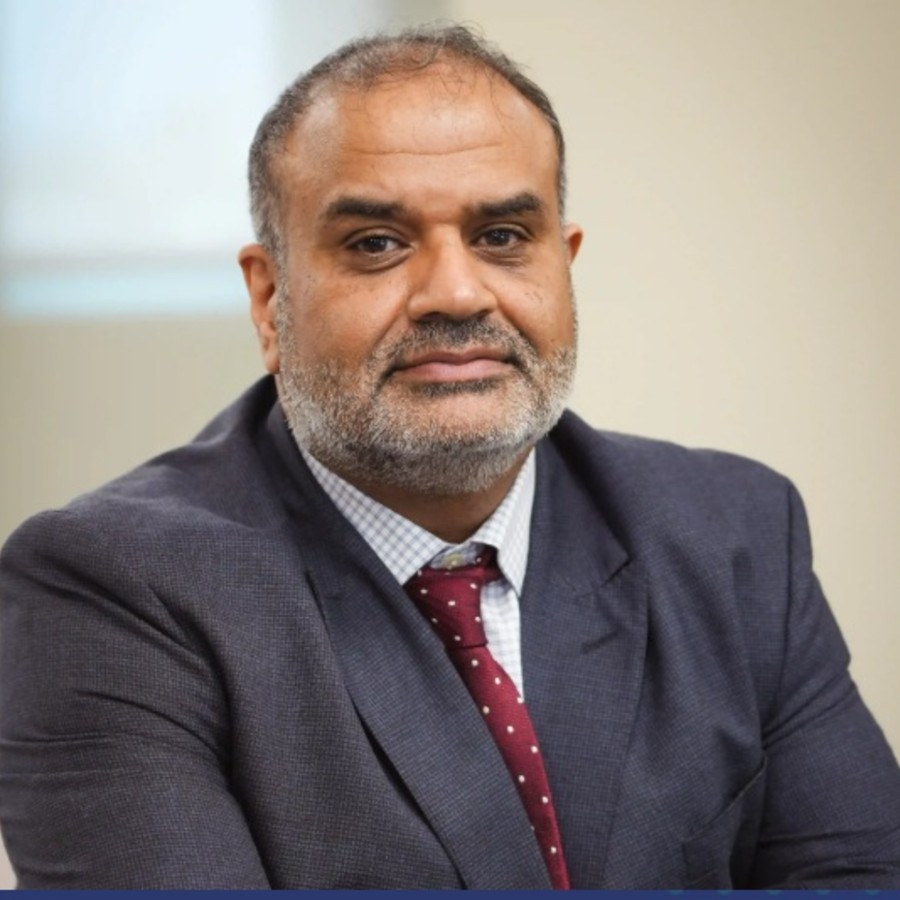
Dr. Bilhar Lehal
Dean of Academic AffairsInternational American University, Ras Al Khaimah (IAU RAK)A senior higher education leader in institutional effectiveness, quality assurance, accreditation and university performance, with academic and quality leadership roles across the UAE, the United Kingdom and Saudi Arabia. He holds a Doctorate in Education and is a Senior Fellow of the Higher Education Academy.
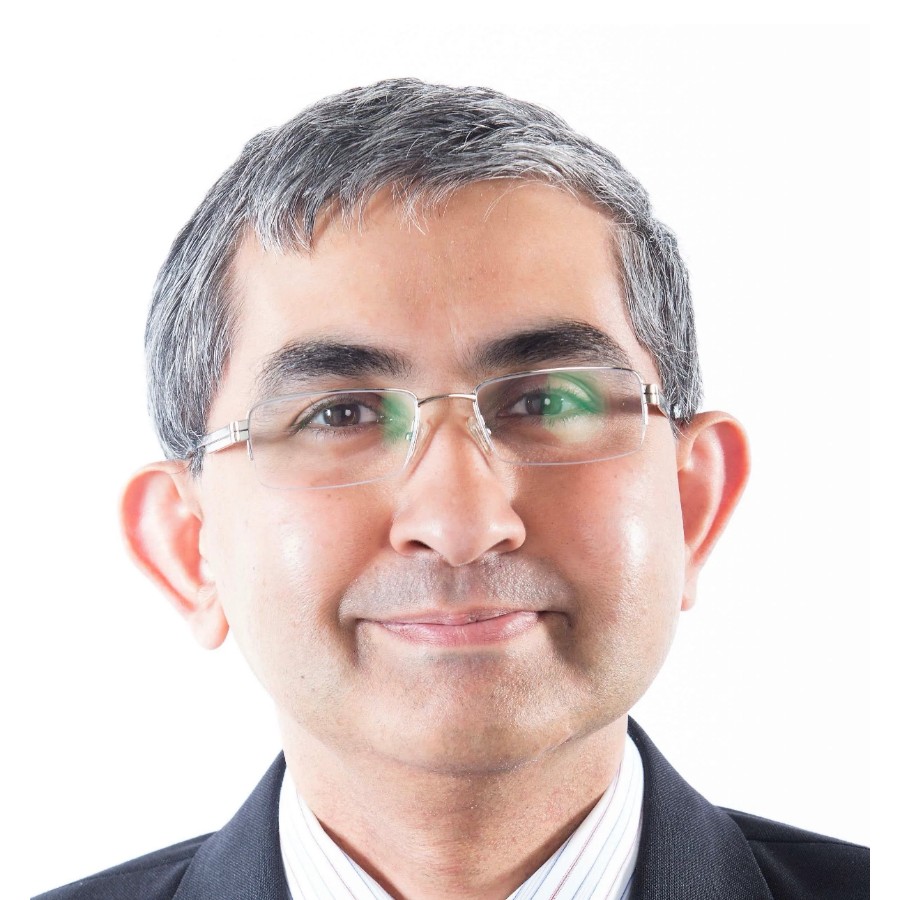
Dr. Sanjay Nadkarni
ProfessorPlekhanov University DubaiAn academic, advisor and entrepreneur with over three decades across academia, advisory and entrepreneurship. His work focuses on human-centred AI, analytics, digital innovation and sustainability, and he is a verified Dubai Futures Research Contributor.
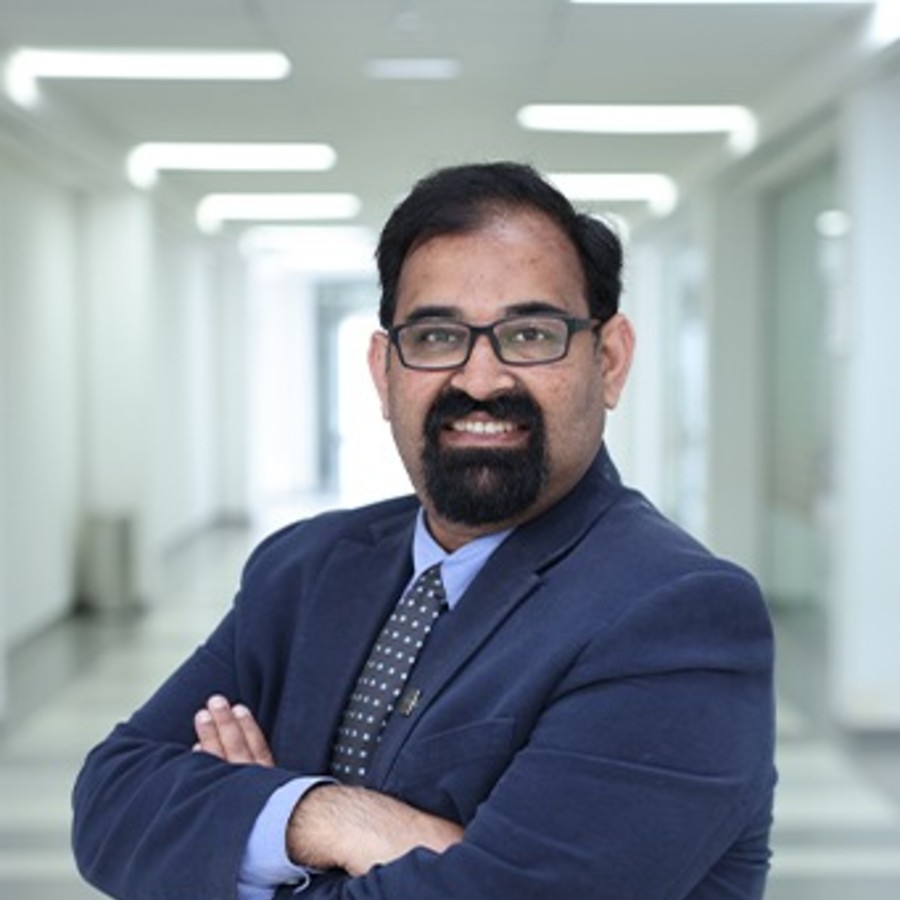
Dr. Riktesh Srivastava
Assistant Dean, College of Business, and Director of the MBA ProgramCity University AjmanHe holds PhDs in Electronics Engineering and Management, and his work spans AI, business analytics, quality management and digital transformation. He has published more than 100 research papers and authored books on emerging technologies and digital business.
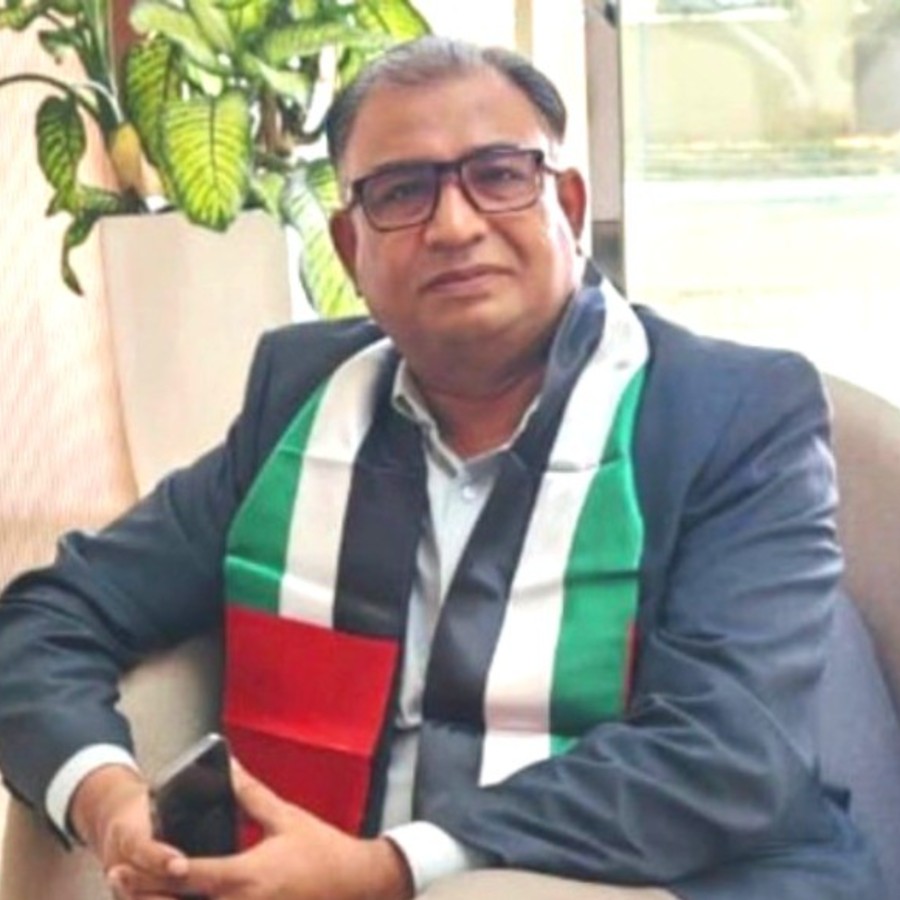
Dr. Meraj Naem
Director, Excellence and ComplianceJumeira UniversityMore than 20 years in strategic management, quality assurance, institutional planning and business consulting. He holds a PhD in Strategic Management, is a certified CSR Practitioner, and is trained and certified by the Global Reporting Initiative for sustainability reporting.
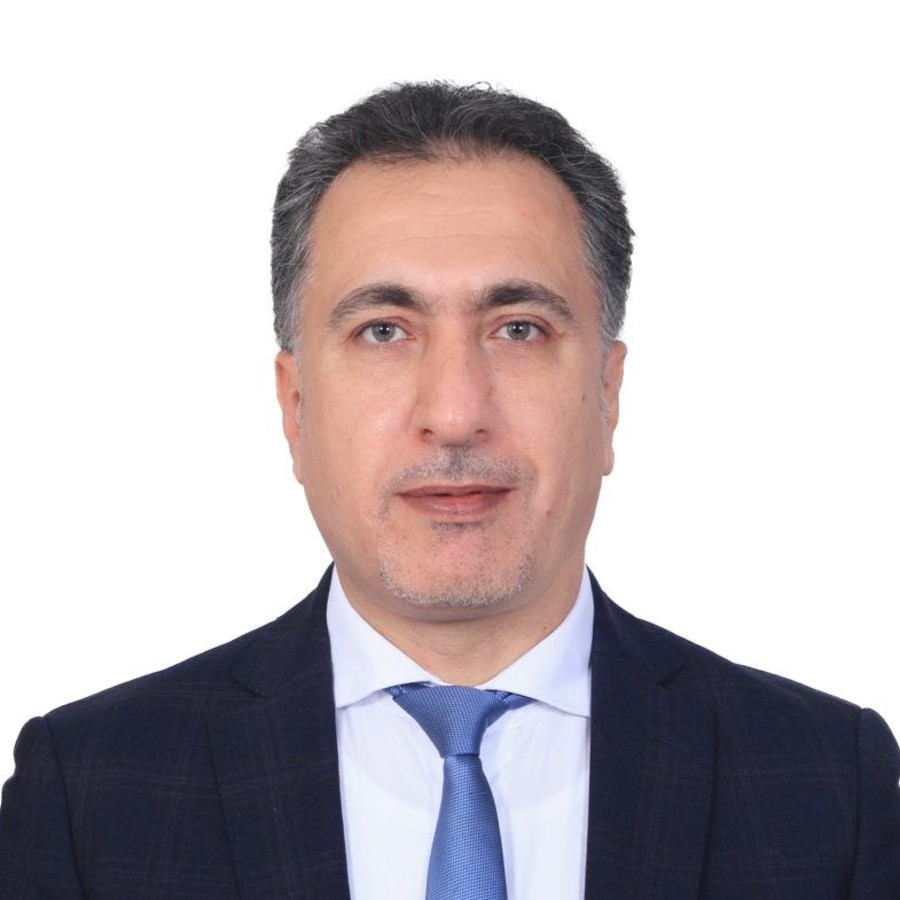
Dr. Samer H. Zyoud
Senior LecturerAjman UniversityFounder of the Nano-Maker Research Team and ranked among the top 2% of global scientists by Stanford University in 2025. He has authored 150+ publications with 24,000+ citations and holds six patents, across nanotechnology, renewable energy, water treatment and advanced materials.
Moderated byNikhita AlmeidaHead of Institutional Effectiveness, Creatrix Campus
What we worked through
Five questions, from the data on the desk to the university of 2029.
Each question was opened by one panellist and then put to the rest of the room.
Data or instinct
How much decision-making is genuinely data-driven? The panel found that institutions chase the final number without finding the root cause, that corrective action plans are the least discussed part of the OBEF, and that one college is now building its 2026–27 research action plan directly from its dashboard.All panellists
AI and pedagogy
Is digital transformation changing how teaching and assessment happen? AI was framed as a facilitator, not an end. One panellist lets students use AI fully on an assignment, on condition that they submit a reflective piece on how it changed their work.All panellists
The industry gap
Where does academia fall short of what industry needs? On relevance and on speed. Research should start from an industry problem, and impact should be measured by what it solves, not by publications and citations alone.Dr. Riktesh Srivastava, Dr. Samer H. Zyoud, Dr. Bilhar Lehal
Partnerships that work
How do you judge whether an industry partnership is worthwhile? By its relevance to your programmes, by co-developing and co-delivering the curriculum, and by giving industry a real share of assessment.Dr. Meraj Naem, Dr. Bilhar Lehal
Three years out
What will a digitally mature university look like, and what should technology vendors understand better? The answers converged on data capture, fewer systems that genuinely work, and products that staff use because they help, not because they are made to.All panellists
What we heard
The data exists. The decisions built on it are still catching up.
Three findings from the session. Both numbers were given by panellists from their own institutions and experience; neither is a Creatrix figure.
Once it was students, faculty and occasionally the regulator. Now ministry agencies, accreditors, ranking bodies, industry, research and internships are all primary stakeholders, and decisions need data from every one of them.
Source: Dr. Meraj NaemA college dashboard showed how far research output was from the OBEF requirement, which faculty were behind, and what the 2026–27 action plan has to close. That is data driving a decision.
Source: Dr. Riktesh Srivastava, for his collegeAI works on the data it is given; it cannot create accurate data. The panel closed on data capture as the biggest challenge for the next three years, from student records to employer details.
Dr. Meraj Naem, Dr. Riktesh SrivastavaIn their words
Five lines worth taking back to your leadership team.
When a measure becomes a target, it ceases to be a measure. Unless we stop being obsessed with metrics, nothing is going to change. Not impact factors, but impact.
Dr. Sanjay NadkarniPlekhanov University DubaiIt’s fantastic having the data and the dashboards. But what is the data telling us? You’re in the red, so why are you in the red? Without the root cause, there is no corrective action.
Dr. Bilhar LehalInternational American University, Ras Al KhaimahAI can be treated as a facilitator, not the end. The purpose of AI and data is to create an environment where a student, a faculty member or a researcher can harness their human capacity in a much better way.
Dr. Meraj NaemJumeira UniversityOur university should not measure research only by the number of publications, but by the industry impact it makes and the applications it creates.
Dr. Riktesh SrivastavaCity University AjmanResearch means solving a problem. Its impact should not be measured only by publications or citations, but by how it solves real industry challenges.
Dr. Samer H. ZyoudAjman UniversityIndustry partnerships
An MOU is not a partnership. Four tests of one that is.
A guest lecture and a field trip are the surface. The panel set out how to tell whether industry is genuinely shaping what students learn, and why it is getting harder to secure.
- 01Relevance to your programmesThe partner is connected to what you teach and where your graduates aspire to work.
- 02Co-development and co-deliveryIndustry helps write and teach the syllabus, as in the OBEF’s joint industry courses, not just a single guest session.
- 03A real share of assessmentBeyond the 10 to 20% an internship site supervisor gives: an industry expert holding 30 to 40% of the final mark on employability.
- 04Skills or research, by levelSkills enhancement for undergraduate programmes; research collaboration for master’s and doctoral programmes.
- 01Industry saturationAround 200 institutions are approaching the same credible employers, and they will not all say yes.
- 02The holding-group advantageUniversities owned by groups with hospitality, medical or automotive businesses can draw on them; standalone institutions cannot.
- 03Industry already trains its ownLarge employers run their own learning and development, so universities have to offer something they cannot.
- 04Approval speedIndustry changes within a month; a course change still goes through boards, committees and approvals.
Four tests set out by Dr. Meraj Naem; the challenges raised by Dr. Bilhar Lehal.
What vendors should understand
What the panel asked of the companies selling to universities.
A question we asked about our own industry. The answers were direct, and we are taking them on board.
Faculty, students and administrators should engage because the system helps, not because they are forced to. And give institutions the option to work differently, rather than hard-coding old processes.
Dr. Sanjay Nadkarni, Dr. Bilhar LehalNot promises that a report will generate itself, but reliable systems that validate the data, show the gaps and produce something better than staff could write themselves.
Dr. Bilhar LehalEverything downstream depends on accurate data at the point of entry. As AI-generated content multiplies, platforms need guardrails that keep outputs grounded in real institutional data.
Dr. Meraj Naem, Dr. Riktesh Srivastava, Dr. Sanjay NadkarniCommon questions
About this roundtable.
What was the Driving Digital Transformation roundtable about?
It was a Creatrix Leaders Connect roundtable held online on 26 August 2026. Five UAE university leaders discussed how far decisions are really data-driven, whether AI is changing teaching and assessment, how to close the gap with industry, and what a digitally mature university will look like.
Who spoke at the roundtable?
The panel was Dr. Bilhar Lehal of International American University, Ras Al Khaimah, Dr. Sanjay Nadkarni of Plekhanov University Dubai, Dr. Riktesh Srivastava of City University Ajman, Dr. Meraj Naem of Jumeira University and Dr. Samer H. Zyoud of Ajman University. It was moderated by Nikhita Almeida, Head of Institutional Effectiveness at Creatrix Campus.
Are UAE universities making data-driven decisions today?
Partly. The panel agreed that the data and dashboards exist, but that decisions often stop at the number. Root causes are rarely found, corrective action plans under the OBEF are seldom discussed, and data from a growing list of stakeholders is still incomplete.
How can a university tell whether an industry partnership is working?
Four tests came out of the session: the industry partner is relevant to the programmes offered, it co-develops and co-delivers the curriculum rather than giving guest lectures, it holds a real share of assessment, and the interaction matches the level, with skills for undergraduate programmes and research for master’s and doctoral programmes.
What is the biggest challenge for a digitally mature university?
Data capture. The panel closed on the point that AI and dashboards only work on the data they are given, so the quality of data captured at the start of every process decides whether anything built on top of it can be trusted.
Creatrix Leaders Connect
Bring the question your institution is working through.
The series continues. Suggest a topic or join a future session, and we will bring the right people to the table.