
Beyond Institutional Memory: Building Resilient and Future-Ready Admissions.
Every institution has someone who knows exactly what to do when an unusual application arrives. Four Malaysian admissions, registry and student leaders asked what happens when that person leaves, and who should own the knowledge.
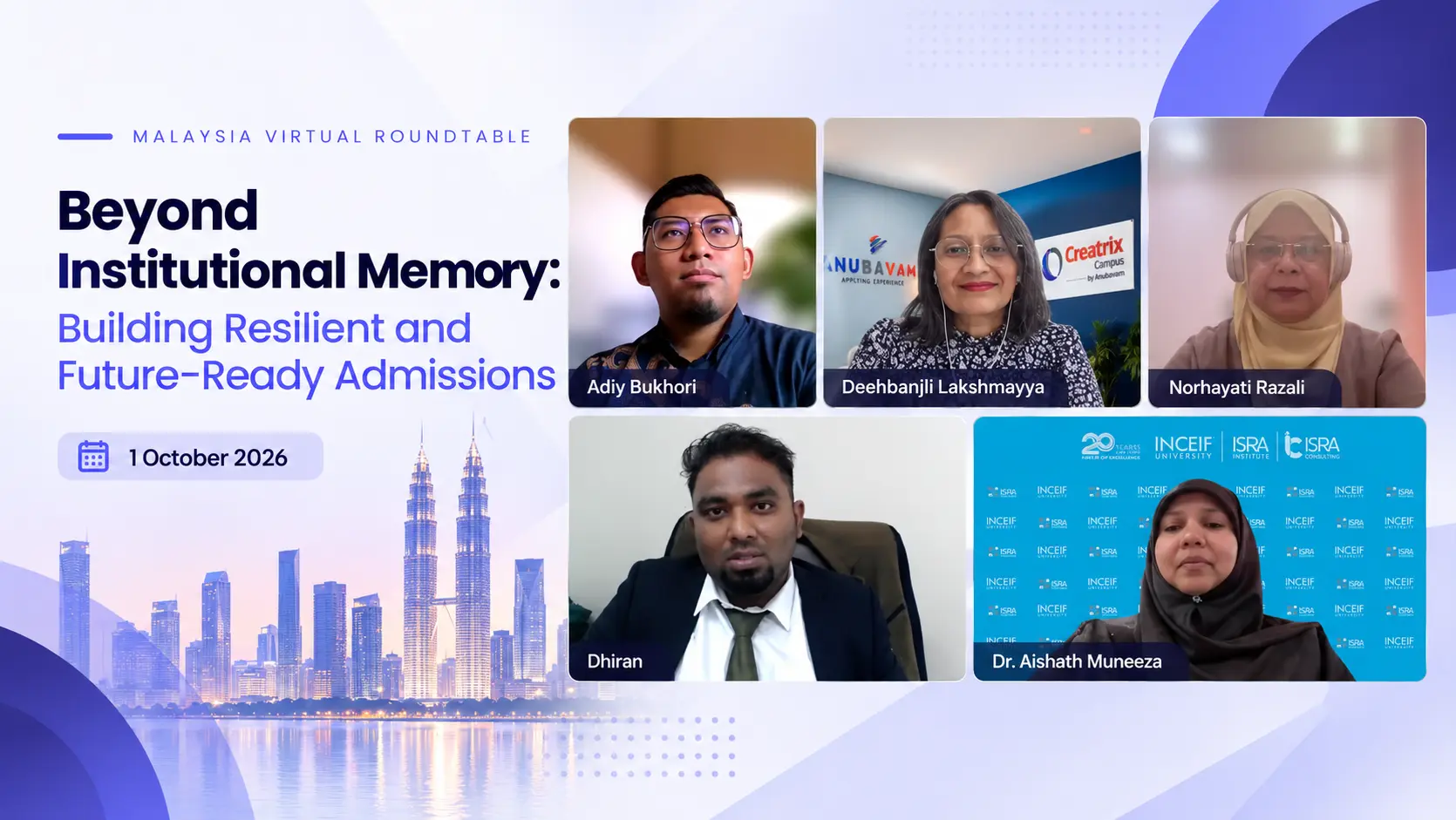
The panel in session, 1 October 2026.
Admissions often runs on what a few people remember. The panel asked how to make it run on what the institution knows.
Admissions is the first gateway into any university, and much of it is decided case by case: a qualification from another country, an applicant one credit short, a working adult with thirty years of experience and no degree. Those decisions usually rest on whoever is at the desk, and on whether they choose to go the extra mile.
Across an hour, the panel was candid. No single department owns admissions, exceptional cases are the knowledge most worth recording, and technology helps only when it carries the human judgement behind each decision.
On the panel
Four leaders from four Malaysian institutions.
Between them: student recruitment, the registrar’s office, learning-centre operations for working adults and postgraduate admissions for professionals from around the world. The session ran as a conversation, with panellists answering each other.
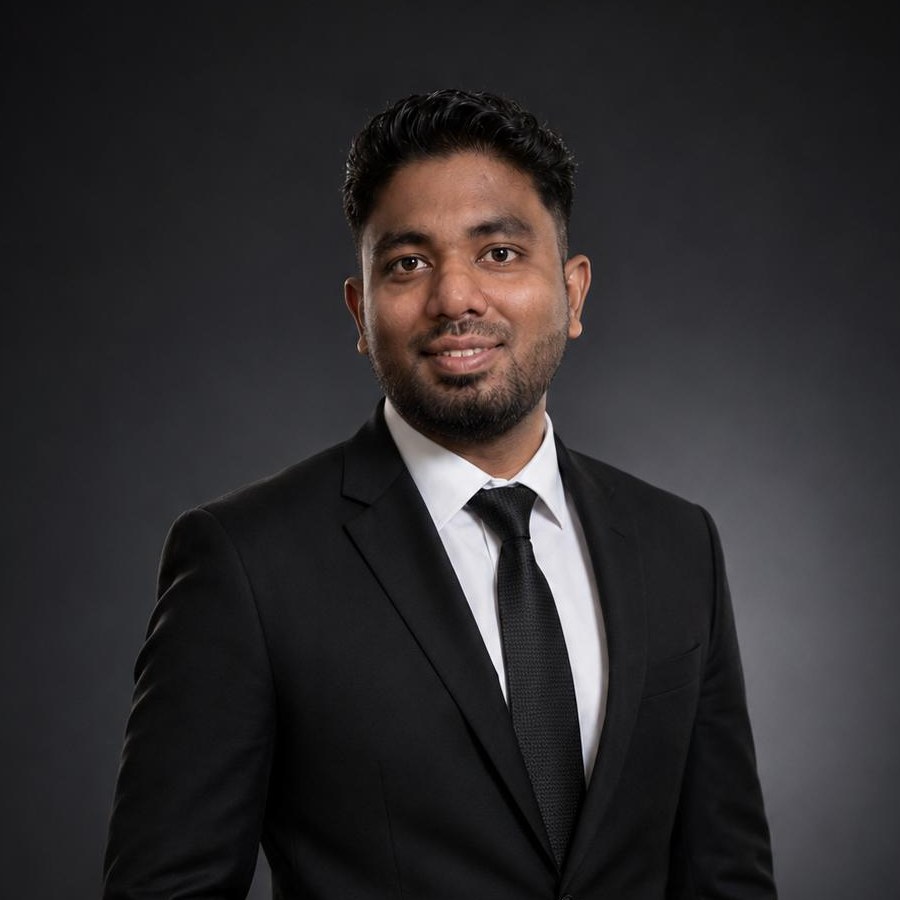
Mr. Dhiran
Deputy Head of Student Recruitment DivisionAIMST UniversityThirteen years in student recruitment, education marketing and stakeholder engagement, spanning recruitment strategy, digital marketing, campaign management, agent engagement and strategic partnerships. At AIMST University he leads work on enrolment, market outreach and prospective student engagement.
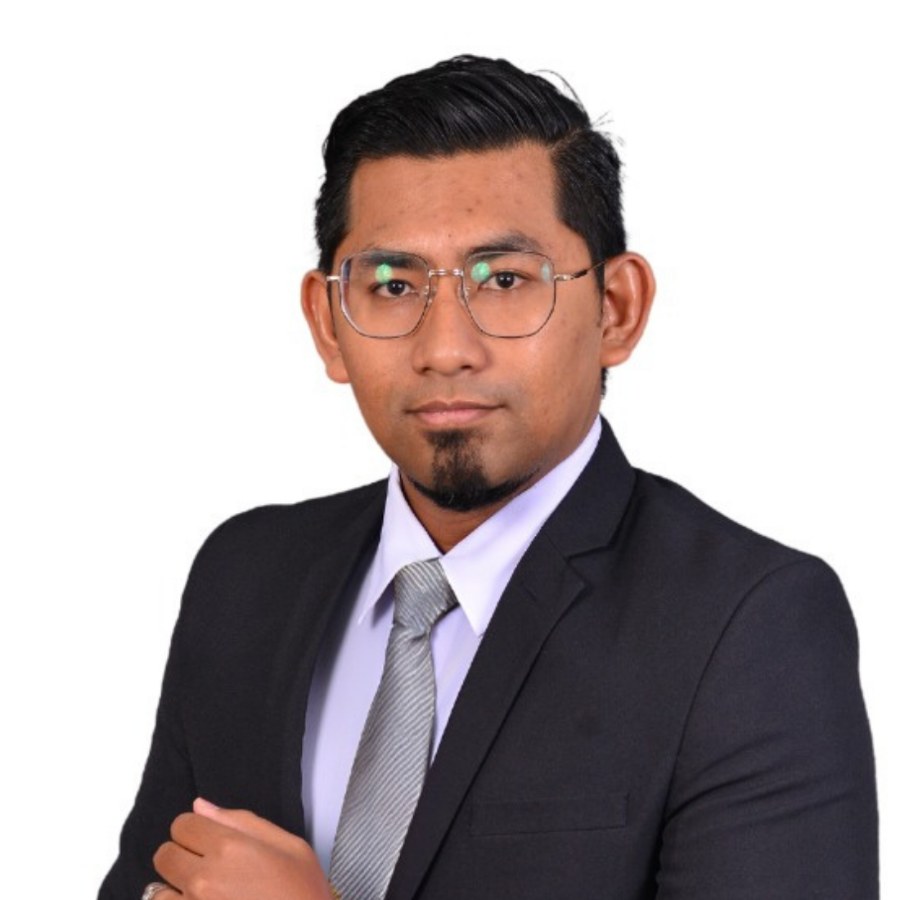
Encik Muhammad Adiy bin Mohd Bukhori
Senior Assistant RegistrarInnovative University CollegeNearly a decade in admissions, academic administration and student services, including student information systems, examinations, timetabling and quality procedures. At the Institute of Postgraduate Studies he oversees postgraduate admissions and onboarding, and has streamlined workflows across the admissions journey.
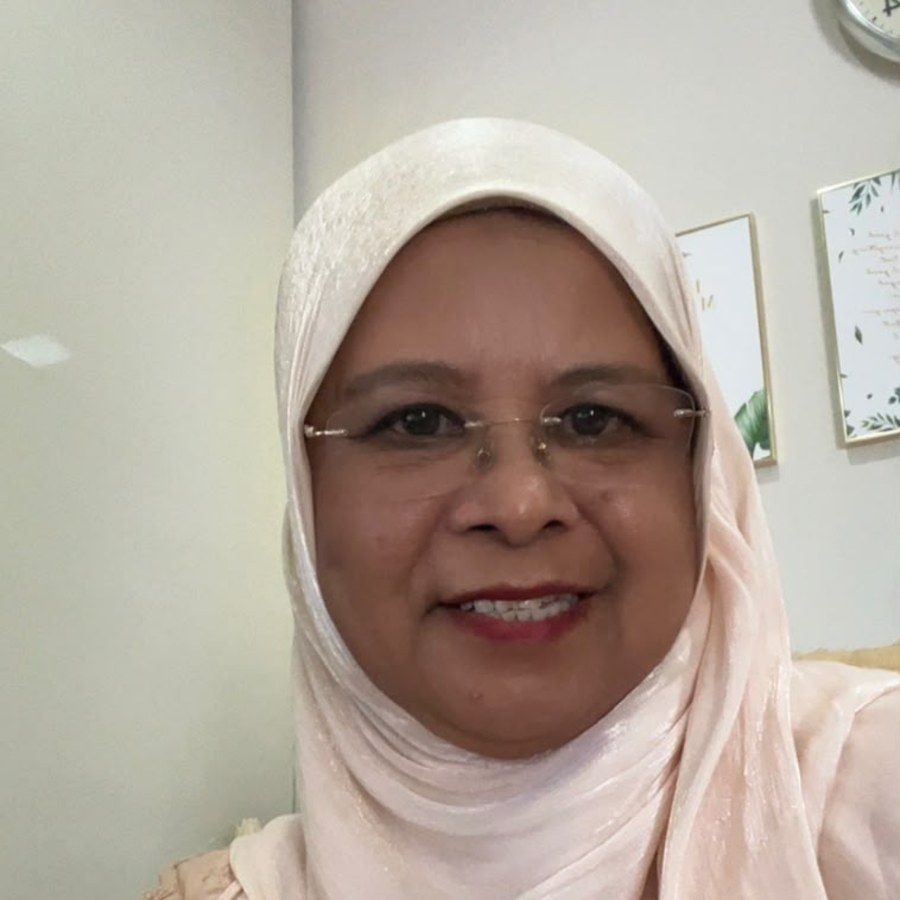
Puan Norhayati Razali
DirectorOpen University MalaysiaDirector of OUM Penang, with experience in student recruitment, marketing, learner engagement and Learning Centre operations in open distance and digital education. Her work spans admissions, retention and corporate collaboration, combining digital outreach with on-the-ground initiatives.
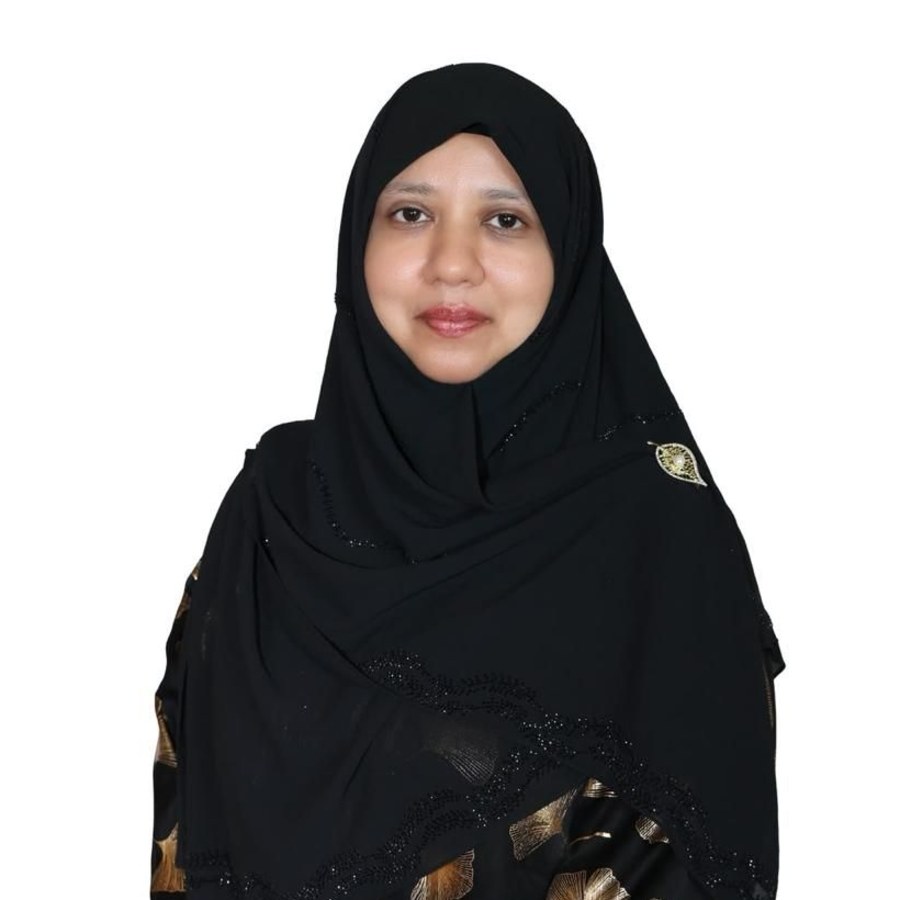
Prof. Dr. Aishath Muneeza
Associate Dean for Students and InternationalisationINCEIF UniversityA recognised expert in Islamic finance across academic leadership, Shariah advisory and Islamic capital markets, and formerly the first female Deputy Minister in the Maldives’ Ministry of Islamic Affairs and Ministry of Finance and Treasury. She received the Lifetime Achievement Award at the 8th WIEFC 2025.
Moderated byMs. Deehbanjli LakshmayyaDirector, Academic Transformation, Creatrix Campus
What we worked through
Four questions, from the person who knows to the system that knows.
Each question was opened by the moderator and then put to every panellist in turn.
The knowledge holder
Who really knows how admissions works? Every panellist described the same pattern: case-by-case decisions that depend on the person at the desk. An inexperienced officer may simply reject an applicant who is one credit short, where an experienced one would suggest a pathway through APEL or a foundation programme.All panellists
Who owns admissions
Is it marketing, the registry or the school? None of them alone. The panel described admissions as a concerted effort from the first lead to graduation, and warned that assigning ownership to one office pushes everyone back into silos.Puan Norhayati Razali, Prof. Dr. Aishath Muneeza, Encik Muhammad Adiy
What can be documented
SOPs record the steps, not the judgement or the effort behind a conversion. The panel argued for recording exceptional cases as precedents, and for shared decisions so that no admission rests on one person.Prof. Dr. Aishath Muneeza, Encik Muhammad Adiy, Mr. Dhiran
Future-ready admissions
What does a resilient admissions operation look like? One where knowledge is available to everyone who needs it, documents live in one system, successors are guided before anyone leaves, and AI helps staff find the precedent rather than replacing the person.All panellists
What we heard
SOPs capture the process. The judgement still leaves with the person.
Three findings from the session. The numbers were given by panellists from their own institutions and experience; none is a Creatrix figure.
Admissions staff at one OUM learning centre have 25 years in the role, and much of what they know is tacit and written nowhere. Unless it is transferred before they retire, it leaves with them.
Source: Puan Norhayati Razali, for OUM PenangWorking adults leave over time, money and commitments. Meeting the admissions KPI is half the job, so admissions knowledge has to carry through to learner support and retention.
Source: Puan Norhayati Razali, for OUM PenangEvery Thursday, registry, marketing and the relevant faculty sit together to decide applications, including the ones that need a pathway rather than a rejection.
Source: Encik Muhammad Adiy bin Mohd Bukhori, for Innovative University CollegeIn their words
Four lines worth taking back to your admissions team.
We should not build an admissions system around a person who knows everything. We should build an institution where knowledge is available to everyone who needs it. The system must remain clear for whoever comes next.
Puan Norhayati RazaliOpen University MalaysiaFuture-ready admissions are not about having the biggest database, the latest technology, or even the largest team. It is about building an institution that learns, adapts, transfers knowledge, and continues to perform regardless of who sits at the table. Institutional memory tells us where we have been. Institutional intelligence tells us how far we can go.
Mr. DhiranAIMST UniversityThe exceptional cases we handle need to be documented. When a similar case comes again, there should already be a precedent that can be used. Technology can add value here, but the human touch remains essential. We tend to forget that the human touch needs to be documented as well.
Prof. Dr. Aishath MuneezaINCEIF UniversityRelying on one staff member to advise the student affects us badly when that person leaves. Staff leaving is something we cannot control, so we focus on what we can control: the process.
Encik Muhammad Adiy bin Mohd BukhoriInnovative University CollegeWhere the knowledge lives
What leaves with the person, and what keeps it in the institution.
The panel named the admissions knowledge most at risk when an experienced officer leaves, and the practices their institutions use to hold on to it.
- 01Exceptional casesA foreign degree not automatically accepted for a student visa, resolved by one officer working alone. The next similar case starts from nothing.
- 02Pathways for near-miss applicantsKnowing when to offer APEL, a foundation year or a micro-credential instead of a rejection.
- 03Agent and lead relationshipsAn officer who resigns can take marketing relationships to the next institution.
- 04The effort behind a conversionCounselling, late-night enquiries and family conversations that no SOP or dashboard records.
- 01Precedents for exceptional casesEach unusual decision recorded so that a new officer can find how the last one was handled.
- 02Shared admission decisionsA standing committee of registry, marketing and faculty that decides together every week.
- 03Strict documentation in one systemTemplates, document lists and records kept in the system, so decisions and minutes can be found, including with AI.
- 04A guided handoverSuccessors are briefed and guided before anyone leaves, rather than left to learn from scratch.
Raised by Prof. Dr. Aishath Muneeza, Encik Muhammad Adiy bin Mohd Bukhori, Mr. Dhiran and Puan Norhayati Razali.
Where technology fits
What the panel asked of admissions technology.
Nobody on the panel wanted technology to replace admissions staff. They were clear about where it should help.
Technology can generate a lead, but admissions is ultimately a people’s business. Systems should hold the reasoning behind a decision, not just the fields that were filled in.
Mr. Dhiran, Prof. Dr. Aishath MuneezaA store of documents is no use when nobody knows where the right one is. AI that retrieves the decision, the minute or the student file in question is the practical win.
Encik Muhammad Adiy bin Mohd BukhoriWhen a similar case arrives, the system should surface how the last one was handled, so that a new officer can act with the confidence of the one who left.
Prof. Dr. Aishath Muneeza, Puan Norhayati RazaliCommon questions
About this roundtable.
What was the Beyond Institutional Memory roundtable about?
It was a Creatrix Leaders Connect roundtable held online on 1 October 2026. Four Malaysian higher education leaders discussed who really holds admissions knowledge, what happens when that person leaves, who should own admissions, and how to make admissions resilient and future-ready.
Who spoke at the roundtable?
The panel was Mr. Dhiran of AIMST University, Encik Muhammad Adiy bin Mohd Bukhori of Innovative University College, Puan Norhayati Razali of Open University Malaysia and Prof. Dr. Aishath Muneeza of INCEIF University. It was moderated by Ms. Deehbanjli Lakshmayya, Director, Academic Transformation at Creatrix Campus.
Who should own admissions in a university?
No single department. The panel agreed that marketing, the registry, the academic schools and learner support each hold part of admissions knowledge, and that giving ownership to one office creates silos.
What admissions knowledge should institutions document first?
Exceptional cases. Routine steps are already in SOPs, but decisions on unusual qualifications and pathways are often held by one person. Recorded as precedents, they let the next officer handle a similar case without starting again.
Can AI replace experienced admissions staff?
The panel said no. AI can help staff find documents, decisions and precedents, but admissions remains a people’s business that depends on counselling and judgement.
Creatrix Leaders Connect
Bring the question your institution is working through.
The series continues. Suggest a topic or join a future session, and we will bring the right people to the table.